


Rameshwaram, at the southern tip of Tamil Nadu, is one of India’s most sacred pilgrimage towns and a place where mythology, sea, and simple coastal life blend seamlessly. Famous for the Ramanathaswamy Temple and its association with the Ramayana, it also offers quiet beaches, historic bridges, and a slow, reflective kind of travel.
When to Visit
Rameshwaram has a tropical coastal climate, so it’s warm year-round, but some months are far more comfortable than others.
- Best time: October to March – Days are pleasant (roughly 20–30°C), with a cooling sea breeze. This is ideal for temple visits, long walks, and beach time.
- Summer (April to June) – Hot and humid, with temperatures often touching 35–38°C. Sightseeing is still possible if you plan early mornings and late evenings.
- Monsoon (July to September) – Moderate rainfall, strong coastal winds, and occasional rough seas. Some beach activities may be restricted, but the town remains accessible.

For most travellers, October to February offers the best balance of comfort and open access to all sights.
How to Reach Rameshwaram
- By train: Rameshwaram has its own railway station, connected to Chennai, Madurai, and other major cities. The journey over the Pamban Bridge, with views of the sea on both sides, is itself a highlight.
- By bus: Tamil Nadu’s state-run and private buses run regularly from Madurai, Ramanathapuram, and other towns to Rameshwaram.
- By air: The nearest airport is Madurai (about 175 km). From there, take a train or bus to Rameshwaram (around 4–5 hours by road).
Once in town, auto-rickshaws, local buses, and hired taxis work well for visiting temples, beaches, and Dhanushkodi.

Where to Stay
Most visitors stay in or near the main town for easy access to the Ramanathaswamy Temple and bus stand.
- Near the temple – Numerous budget lodges, dharamshalas, and mid-range hotels cater to pilgrims. Staying here makes early morning darshan and multiple temple visits convenient.
- Beach side / outskirts – A few resorts and guesthouses near Ariyaman and other coastal areas offer a quieter, more relaxed vibe, though you’ll rely more on transport to reach the main sights.
Pilgrim guesthouses are often simple but clean and affordable; book ahead during festivals and peak season (December–January).

Things to Do in Rameshwaram
1. Visit Arulmigu Ramanathaswamy Temple
The Ramanathaswamy Temple is the spiritual heart of Rameshwaram and one of the twelve Jyotirlingams. Its most striking feature is the long, granite corridor with hundreds of sculpted pillars, creating a dramatic play of light and shadow.
Key experiences inside the temple complex include:
- Walking the expansive corridors and admiring the architecture.
- Taking part in the 22 holy wells (theerthams) ritual, where pilgrims sip or sprinkle water from different wells before the main darshan.
- Visiting shrines dedicated to Rama, Sita, Lakshmana, and Hanuman within the complex.
Dress modestly (shoulders and knees covered), remove footwear at designated areas, and be prepared for queues during peak times.
2. Walk or Drive Across Pamban Bridge
The Pamban Bridge, officially the Annai Indira Gandhi Road Bridge, connects mainland India to Rameshwaram island over the sea. The parallel railway bridge is one of the oldest sea bridges in India. Travelling by train across it offers unforgettable views of the blue waters on both sides, especially at sunrise or sunset.
If you’re driving, pause at safe viewpoints to photograph the bridge stretching into the horizon.

3. Head to Dhanushkodi
Dhanushkodi, at the island’s eastern tip, is where, according to the Ramayana, Lord Rama built the Ram Setu (Adam’s Bridge) to Lanka. Today, it’s a windswept, almost surreal landscape of sand, sea, and ruins.
Highlights include:
- Dhanushkodi Beach – Where the Bay of Bengal and the Indian Ocean appear to meet.
- Ram Setu viewpoint – From the shore, you can see the shallow, chain-like formation in the water believed to be the mythical bridge.
- Old Dhanushkodi town ruins – Remnants of a settlement destroyed by a cyclone in the 1960s, now largely uninhabited.
The area can be very hot and windy; carry water, wear a hat, and avoid venturing too far into the sea.
4. Relax at Ariyaman Beach
Ariyaman Beach, closer to the main town, is a calmer alternative to Dhanushkodi and a popular spot for families. The sandy stretch, gentle waves, and sunset views make it ideal for an evening walk after temple visits.
There are basic stalls for snacks and drinks, but it’s less commercialised than many other Indian beaches.
5. Visit Villoondi Theertham
Villoondi Theertham, about 6 km from the main bus stand, is a freshwater spring located within the sea. According to legend, Lord Rama created this spring by shooting an arrow into the ground to provide drinking water for Sita.
Visitors can:
- See the well-like structure where sweet water rises despite being surrounded by saltwater.
- Take a dip or sip the water, considered sacred by devotees.
It’s a quick but meaningful stop, often combined with a visit to nearby beaches.
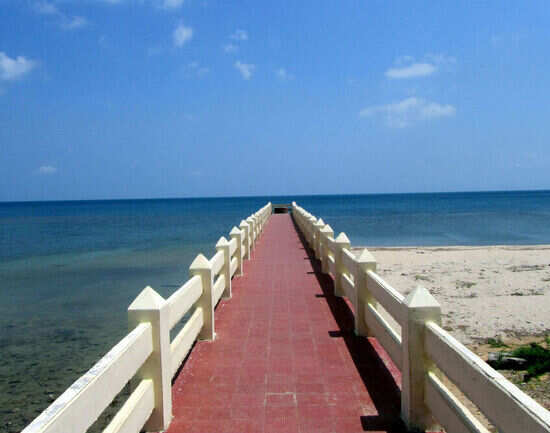
6. Explore Gandamadana Parvatham
Gandamadana Parvatham is a small hill believed to bear the imprint of Lord Rama’s feet. The site offers a quiet, reflective atmosphere and modest views over the surrounding landscape.
It’s less crowded than the main temple and works well for a short, contemplative visit.

7. Experience Local Life and Food
Rameshwaram is not just about temples; it’s also a living fishing town.
- Walk through the fish landing areas near the harbour to see boats coming in and nets being mended (early morning is best).
- Try simple, fresh seafood meals at local eateries—grilled fish, prawn curry, and basic South Indian thalis.
- Sample Tamil Brahmin-style vegetarian food near the temple, including rice-based meals, rasam, and traditional sweets.
The pace here is slow; even a short conversation with shopkeepers or priests can add depth to your visit.
A Simple 2–3 Day Itinerary
- Day 1: Arrive by train or bus → Check in near the temple → Evening visit to Ramanathaswamy Temple for darshan and corridor walk → Dinner at a local vegetarian restaurant.
- Day 2: Early morning trip to Dhanushkodi (Ram Setu viewpoint, beach, ruins) → On the way back, stop at Villoondi Theertham → Late afternoon at Ariyaman Beach for sunset.
- Day 3 (optional): Visit Gandamadana Parvatham → More time in the temple complex or nearby shrines → Cross Pamban Bridge by train or road and depart.
Practical Tips
- Dress code: Modest clothing is essential for temple visits; many shrines require removing footwear and may restrict cameras inside sanctums.
- Hydration & sun protection: Even in winter, the sun can be strong; carry water, a cap, and sunscreen.
- Crowds: Expect heavy pilgrim traffic during festivals, weekends, and December–January; plan extra time for darshan and transport.
- Sea safety: At Dhanushkodi and other beaches, heed warning signs and avoid swimming in rough or restricted areas.

Rameshwaram rewards travellers who come with patience and an openness to both faith and landscape. Spend time in the temple corridors, stand at the edge of Dhanushkodi, and watch the sea around Pamban Bridge, and you’ll understand why this small island town holds such a large place in India’s spiritual and cultural memory.