

Munnar, in Kerala’s Idukki district, is one of South India’s most iconic hill stations. At around 1,500–1,600 metres, it’s famous for rolling tea gardens, misty mornings, cool air, and a landscape that changes with the light. While tea estates define its image, Munnar also offers wildlife, waterfalls, spice plantations, and quiet mountain roads that reward slow travel.
When to Visit
Munnar is pleasant most of the year, but each season gives a different experience.
- Winter (October–February): Cool, dry, and clear, with temperatures roughly 10–25°C. This is the most popular time for sightseeing, trekking, and photography, but also the peak tourist season with higher prices and crowds.
- Summer (March–May): Mildly warm days (up to 28–30°C) and cool nights. Still comfortable compared to the plains, good for outdoor activities, though some afternoons can feel warm.
- Monsoon (June–September): Heavy rainfall, lush greenery, and dramatic cloud cover. Waterfalls are at their best, but landslides and road blocks are possible, especially in July–August. Many travellers avoid this period unless they specifically want rain and solitude.

For most first-time visitors, October–February offers the best mix of weather, access, and views.
How to Reach Munnar
- By air: The nearest airports are Cochin (COK, ~110–130 km) and Madurai (IXM, ~130–150 km). From either, hire a taxi or take a bus to Munnar (about 3.5–4.5 hours).
- By train: The closest major railheads are Aluva (near Kochi) and Madurai. From there, continue by road.
- By bus: Kerala’s KSRTC and private operators run regular buses from Kochi, Kottayam, and other towns to Munnar. The Munnar KSRTC stand is the main hub for local connections.
Within Munnar, taxis and private vehicles are the most convenient way to visit scattered attractions; auto-rickshaws work for short hops around town.
Where to Stay
Munnar offers a wide range of stays:
- Munnar town: Close to the bus stand, markets, and restaurants; convenient but busier.
- Tea estate resorts: Many plantations run heritage bungalows and modern resorts with views over the gardens; ideal for a quiet, scenic stay.
- Near Mattupetty/Kundala: Good base for lakes, dams, and viewpoints, with several mid-range and budget options.
- Chinnakanal & nearby: Closer to waterfalls like Attukal and Cheeyappara; often quieter and more nature-focused.
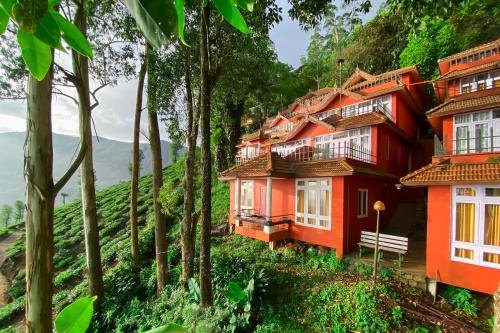
Staying inside or near a working tea estate can greatly enhance the experience, with early morning walks through the gardens and plantation-style meals.
Things to Do in Munnar
1. Walk Through Tea Gardens
No trip to Munnar is complete without time in the tea estates. Many plantations allow visitors to walk among the bushes, learn about plucking and processing, and visit small museums or factories. The Tata Tea Museum (near Nallathanni) offers guided tours explaining the history and process of tea-making.
Early mornings and late afternoons are the best times for light and fewer people. Dress modestly and stick to permitted paths.

2. Visit Eravikulam National Park (Rajamalai)
Eravikulam National Park, home to the endangered Nilgiri tahr, is one of Munnar’s top wildlife experiences. The park is accessed via Rajamalai, where you can take a shuttle into the core area and walk short trails through grasslands and shola forest.
On clear days, you may spot Nilgiri tahrs grazing on the slopes, along with other birds and small mammals. Check opening status in advance, as the park sometimes closes during peak monsoon or for conservation reasons.
3. Chase Waterfalls: Attukal, Cheeyappara, Lakkam
Munnar’s surrounding hills are dotted with waterfalls, especially impressive during and after the monsoon.
- Attukal Waterfalls: A popular stop on the Munnar–Thekkady route, with a small park and viewpoints.
- Cheeyappara Waterfalls: Another roadside cascade, often combined with Attukal in a single stop.
- Lakkam Waterfalls: Located inside the Eravikulam area, reachable via a short walk; less crowded and surrounded by forest.
These spots are great for photos and short breaks rather than long hikes.
4. Lakes and Dams: Mattupetty, Kundala, Echo Point
The high-altitude lakes and dams around Munnar offer calm waters and mountain backdrops.
- Mattupetty Dam & Lake: Boating is available, and the surrounding area has gardens and viewpoints.
- Kundala Dam Lake: A quieter, scenic spot with fewer crowds, good for picnics and gentle walks.
- Echo Point: A roadside viewpoint where you can test the natural echo; often combined with Mattupetty in a half-day loop.
These locations work well for families and relaxed sightseeing.

5. Viewpoints: Top Station, Lock Heart Gap, Anamudi Area
Munnar’s viewpoints provide sweeping panoramas of valleys, tea gardens, and distant peaks.
- Top Station: Near the Tamil Nadu border, famous for views of the Western Ghats and once a key transit point for tea transport.
- Lock Heart Gap: A scenic pass with dramatic valley views, often included in estate tours.
- Anamudi Peak Area: Anamudi (2,695 m) is South India’s highest peak; while the summit trek requires permits and planning, the surrounding area offers high-altitude landscapes and trekking routes.
Sunrise and sunset visits give the most dramatic light.
6. Spice Plantations and Local Experiences
Just outside Munnar, spice farms grow cardamom, pepper, cinnamon, vanilla, and more. Many offer guided walks explaining cultivation and processing, often followed by a traditional Kerala meal.
For a different kind of experience, some operators offer bamboo rafting on calm rivers, letting you float quietly through forested banks and learn about local materials and techniques.
7. Short Treks and Nature Walks
Beyond the main sights, Munnar has numerous short treks through tea gardens, shola forests, and grasslands. Options include trails around Meesapulimala (the second-highest peak in the region), forest walks near Eravikulam, and estate-managed paths. Hiring a local guide improves safety and interpretation, especially in protected areas.

A Simple 3-Day Itinerary
- Day 1: Arrive from Kochi/Madurai → Check into a tea estate resort or Munnar town → Late afternoon walk through nearby tea gardens → Sunset at a viewpoint.
- Day 2: Morning visit to Eravikulam National Park (Rajamalai) → Afternoon loop: Mattupetty Dam, Echo Point, Kundala Lake → Evening at a local spice plantation or relaxed dinner.
- Day 3: Early visit to Top Station or Lock Heart Gap → Stop at Attukal/Cheeyappara waterfalls on the way out → Depart towards Kochi or Thekkady.
Practical Tips
- Permits & timings: Check entry rules and timings for Eravikulam National Park and any restricted areas in advance.
- Clothing: Carry layers; mornings and evenings can be cool even in summer, and winters can feel quite chilly.
- Footwear: Comfortable walking shoes are essential for gardens, viewpoints, and short treks.
- Monsoon caution: During June–September, monitor weather and road conditions; landslides can disrupt travel.
- Respect the landscape: Stay on marked paths in tea estates and protected areas, avoid plastic, and carry back your waste.
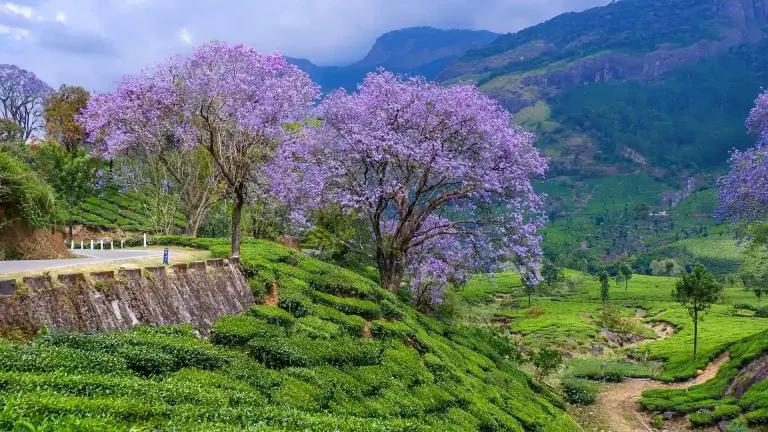
Munnar shines when you slow down: early walks in the tea gardens, quiet moments by a lake, and time to watch mist roll over the hills. Plan beyond the standard photo stops, and you’ll experience why this hill station has captivated travellers for generations. Hiaxe