

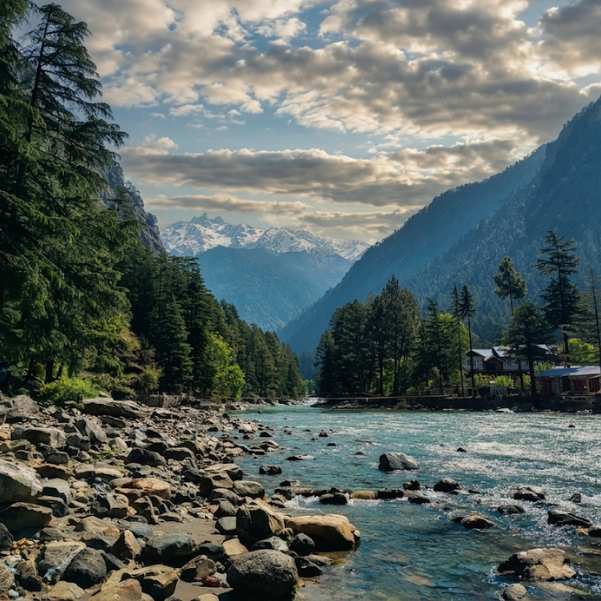
Kasol is a small village on the banks of the Parvati River in Himachal Pradesh’s Kullu district. At around 1,580 metres, it sits in the heart of Parvati Valley, surrounded by deodar forests, steep mountains, and a network of trails leading to hidden villages and high meadows. Over the years, Kasol has become a backpacker hub, but the real magic lies in using it as a base to explore the wider valley.
When to Visit
Kasol is accessible most of the year, but the experience changes with the seasons.
- Spring & Early Summer (March–June): Pleasant days (roughly 15–25°C in the valley), clear skies, and stable trekking conditions. This is the most popular time for first-time visitors and trekkers.
- Monsoon (July–September): Heavy rainfall, lush greenery, and fewer crowds, but higher risk of landslides, road blocks, and swollen rivers. Many treks become risky or are officially restricted.
- Autumn (September–November): Post-monsoon clarity, crisp air, good visibility, and thinner crowds compared to peak summer. Often ideal for those who want calm and clear views.
- Winter (December–February): Cold nights (often near or below 0°C), occasional snow at higher altitudes, and quiet villages. Lower valley stays are still possible, but some routes and guesthouses may close.
For most travellers, March–June and September–November offer the best balance of weather, safety, and access.

How to Reach Kasol
- By air: The nearest airport is Bhuntar (Kullu–Manali), about 42 km from Kasol. From Bhuntar, take a shared taxi or local bus up Parvati Valley.
- By train: The closest major railhead is Chandigarh; from there, take an overnight bus to Bhuntar or directly to Kasol/Manikaran.
- By road: Overnight buses (government and private) run from Delhi ISBT to Bhuntar and sometimes directly to Kasol or Manikaran. The journey takes roughly 10–12 hours from Delhi.
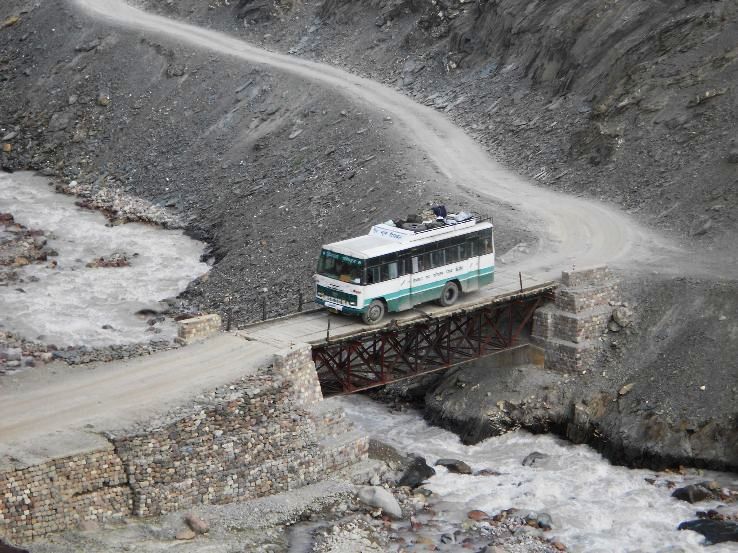
Within the valley, shared taxis, local buses, and walking are the main modes of transport.
Where to Stay
Kasol itself has a dense cluster of guesthouses, hostels, and riverside cafés, especially along the main market and riverfront. However, many travellers prefer to stay in nearby villages for a calmer experience:
- Chalal: A 15–20 minute walk from Kasol across a suspension bridge; quieter, with several well-rated cafés and guesthouses.
- Tosh: About 8 km beyond Kasol; a traditional village with stone houses, narrow lanes, and great mountain views.
- Kalga: A bit further up from Tosh; more relaxed, with homestays and access to the Kheerganga trek.
- Manikaran: Known for hot springs and the famous Gurudwara; a mix of pilgrim crowds and budget stays.
Staying outside Kasol town often means lower noise, better views, and a more authentic valley feel.

Things to Do in and Around Kasol
1. Walk Along the Parvati River
One of the simplest yet most rewarding activities is to sit by the Parvati River, walk along its banks, and cross the suspension bridges to villages like Chalal. The sound of the river, the smell of pine, and the play of light on the water make for perfect slow-travel moments.

2. Explore Nearby Villages: Chalal, Tosh, Kalga
Instead of spending all your time in Kasol’s main market, use it as a base to explore:
- Chalal: Short walk, relaxed cafés, riverside seating, and fewer crowds.
- Tosh: Wander through stone lanes, enjoy mountain-view breakfasts, and watch sunsets from the village edge.
- Kalga: Even quieter, with homestays and a strong sense of local life.
These villages often offer better value and a more genuine Parvati Valley experience than central Kasol.
3. Trek to Kheerganga
The Kheerganga trek is Kasol’s signature hike: roughly 12–14 km one way from Barshaini (reachable by taxi from Kasol), passing through forests, meadows, and small settlements, ending at natural hot springs. Many people do it as a 2-day trek with an overnight camp or guesthouse stay near the top. The hot springs, surrounded by peaks, are the highlight.
4. Visit Manikaran Sahib and Hot Springs
Manikaran, a short drive up the valley, is famous for its Gurudwara and naturally hot sulphur springs. Pilgrims cook rice and potatoes in the hot water as part of a long-standing tradition. The temple complex, river views, and mountain backdrop make it a culturally rich stop.
5. Short Treks: Rasol, Malana, and More
- Rasol Trek: A moderate day trek from Kasol/Chalal through forests and ridges, offering panoramic valley views.
- Malana Village: Known for its unique culture, language, and the famous Malana cream; access may require a short trek and respect for local customs.
- Sar Pass & Other High Treks: For experienced trekkers, longer high-altitude routes start from villages around Kasol, usually in the pre-monsoon and post-monsoon windows.
6. Café Culture and Local Food
Kasol and its neighbouring villages are dotted with cafés serving Israeli, Tibetan, and continental food alongside local Himachali dishes.
Expect:
- Staples: Momos, thukpa, maggi, pasta, pancakes, shakshuka, and fresh juices.
- Local touches: Siddu, madra, and other Pahari dishes in some homestays and local eateries.
Riverside and mountain-view cafés in Chalal, Tosh, and Kalga often provide a more relaxed atmosphere than the busy Kasol market.

A Simple 3–4 Day Itinerary
- Day 1: Arrive in Kasol via Bhuntar → Drop bags → Cross to Chalal for a quiet lunch and riverside time → Evening walk back through Kasol market.
- Day 2: Morning taxi to Barshaini → Start Kheerganga trek → Overnight near the hot springs or return same day if you’re a fast hiker.
- Day 3: Rest day → Travel to Tosh or Kalga → Explore village lanes, short walks, and sunset views.
- Day 4 (optional): Short trek to Rasol or a visit to Manikaran for the hot springs and Gurudwara → Depart.
Practical Tips
- Respect the valley: Parvati Valley is ecologically sensitive. Avoid plastic, carry back your waste, and stick to marked trails.
- Cash & connectivity: Carry enough cash; ATMs can be unreliable. Mobile network and internet may be patchy in higher villages.
- Dress in layers: Even in summer, nights can be cool; in winter, proper cold-weather gear is essential.
- Monsoon caution: During July–September, check road and weather updates; landslides and flash floods are real risks.
- Cultural sensitivity: In places like Malana and religious sites such as Manikaran Sahib, follow local customs and dress modestly.

Kasol is at its best when you treat it as a gateway rather than a destination: use it to step into quieter villages, walk along the Parvati, and trek into forests and meadows that define the real character of the valley. Hiaxe